Water Damage Restoration Lake Stevens, WA
24/7 water damage restoration in Lake Stevens, WA. The extraction crew pulls out standing water, the drying team dries the structure to the IICRC S500 standard, and every reading goes into the file for your insurance claim.
(888) 509-1696Call now about water in your Lake Stevens homeZIP 98258 from Downtown and North Cove to Frontier Village and Cavalero Hill, plus Marysville, Snohomish, Everett and Granite Falls.
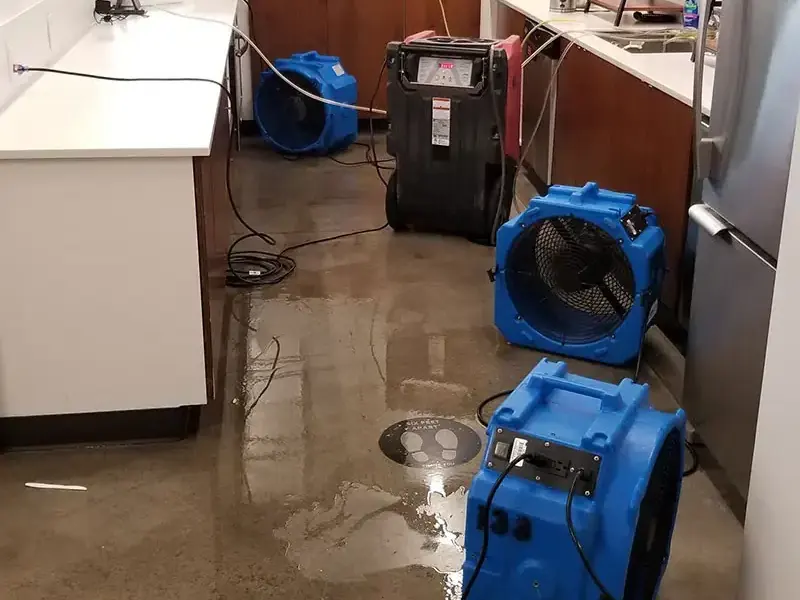
What to do while the water is still moving
The first hour decides how much has to come out later. These five steps keep a Lake Stevens water loss smaller and the insurance claim cleaner.
(888) 509-1696Water still spreading? Call the drying team.- 1
Shut off the water
Close the main valve, often in the garage, a utility closet or the crawl space near where the water pipe enters, or at the meter box by the street. For a water heater, close the cold supply valve on top of the tank.
- 2
Cut power to wet rooms
Switch off breakers for any room where water touches outlets, cords or baseboard heaters. Stay out of standing water near live outlets.
- 3
Photograph everything first
Take photos and video of the water, the source and every wet room before anything is moved or thrown out. Adjusters ask for them.
- 4
Lift what you can
Move rugs, electronics, papers and furniture off wet floors. Slip foil or wood blocks under furniture legs that stay put.
- 5
Leave the rest
Skip the household vacuum, fans that blow dirty water around and tearing out drywall. The tech who does the walkthrough maps what is wet first.
Water Damage Restoration Services in Lake Stevens, WA
Fourteen kinds of water loss, each handled the way its source demands: water under the floor, a frozen pipe, the lake rising in a storm and a backed-up drain all need different equipment and drying targets.
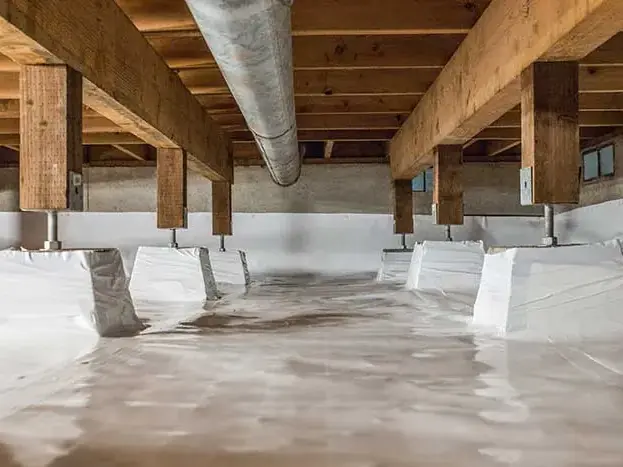
Crawl Space Water Removal
Standing water pumped from under the house, soaked insulation and torn barrier pulled, joists and subfloor dried.
How it is done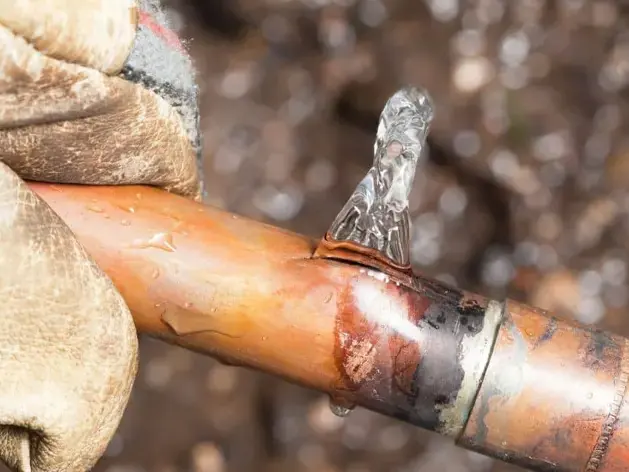
Burst Pipe Water Damage
Split supply pipes and blown fittings extracted fast, with walls opened only where the meters show water.
How it is done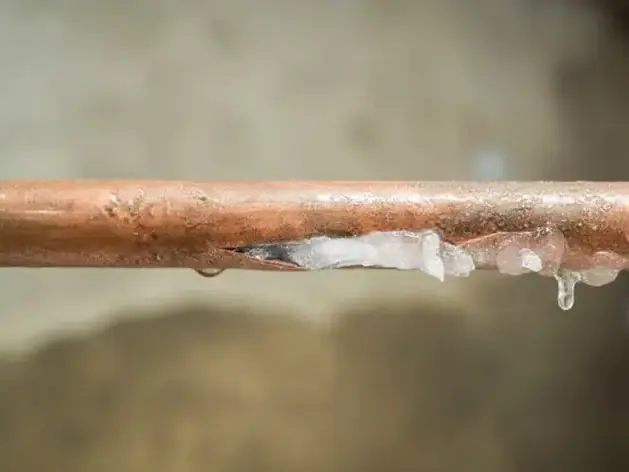
Frozen Pipe Water Damage
Pipes that froze in a crawl space, garage or outside wall and let go on the thaw, dried out.
How it is done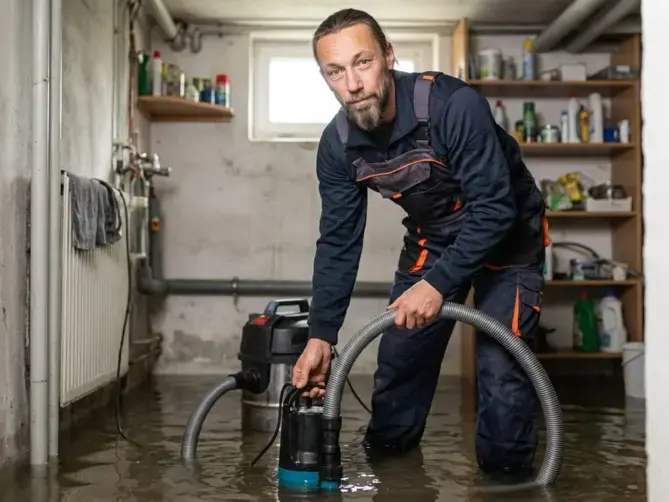
Basement Flooding Cleanup
Seepage and floodwater in daylight and split-level basements pumped out, walls and floors dried.
How it is done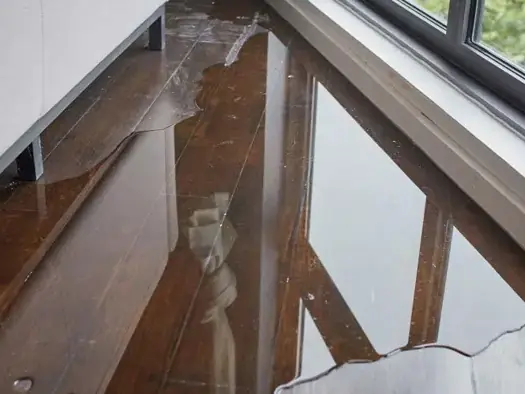
Storm Water Damage
Wind-driven rain through windows, doors, siding and decks extracted before it reaches the framing.
How it is done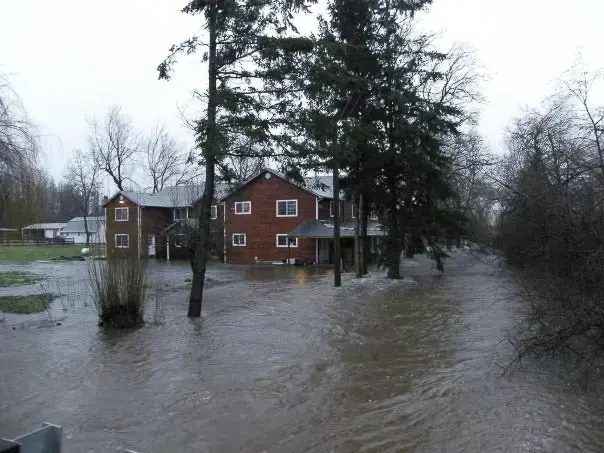
Flood Water Cleanup
Lake, creek and river water that came inside removed as Category 3 water and the structure dried.
How it is done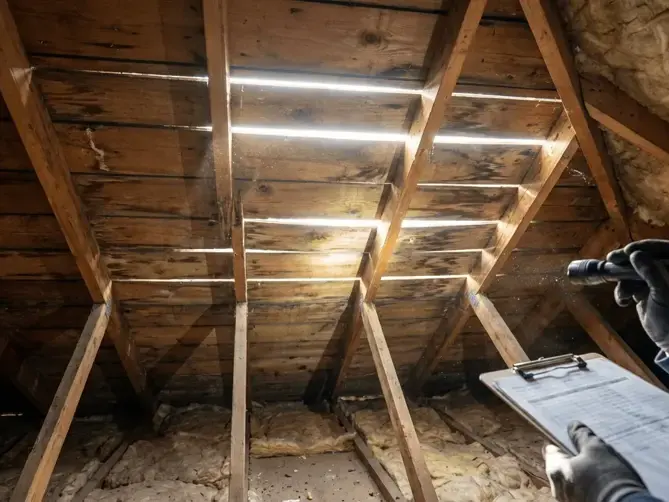
Roof Leak Water Damage
Leaks at flashing, vents and worn shingles dried out of attic sheathing, insulation and ceilings.
How it is done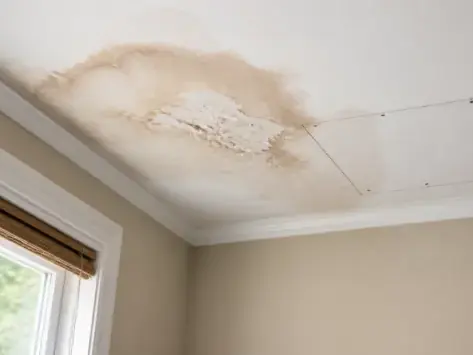
Ceiling Leak Water Damage
Leaks from an upstairs bath or supply pipe traced, sagging drywall opened and joist bays dried.
How it is done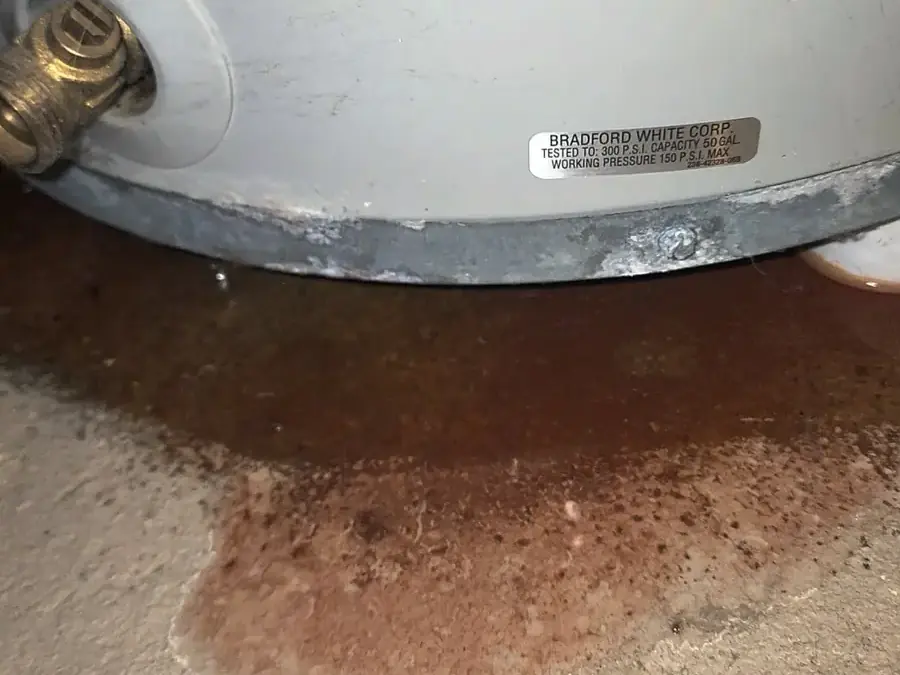
Water Heater Leak Cleanup
Failed tanks in garages and closets extracted, with the floor and walls around them dried.
How it is done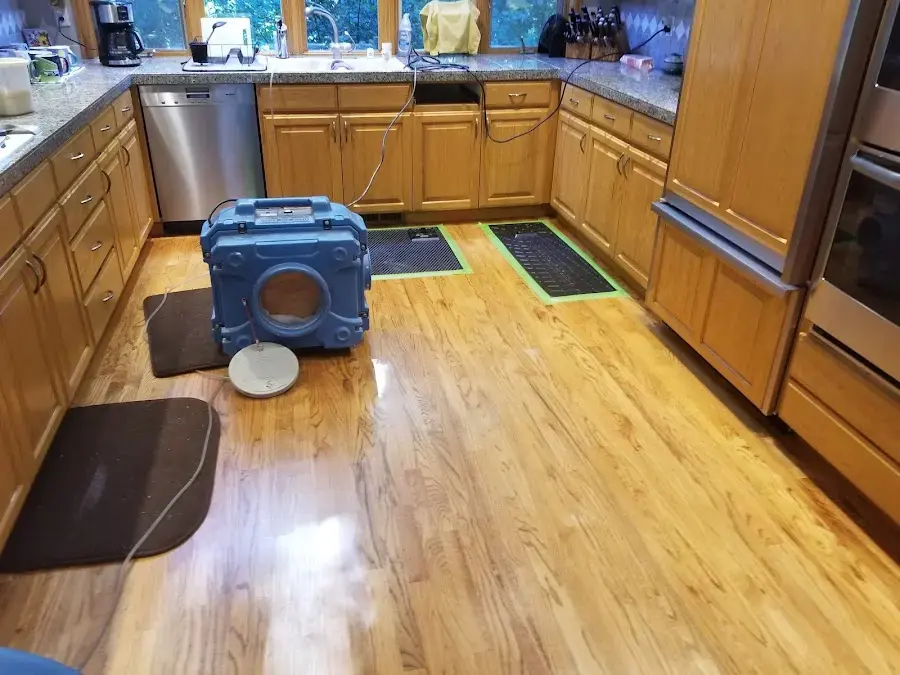
Appliance Leak Water Damage
Washer hose, dishwasher and fridge supply leaks dried under cabinets, laminate and subfloor.
How it is done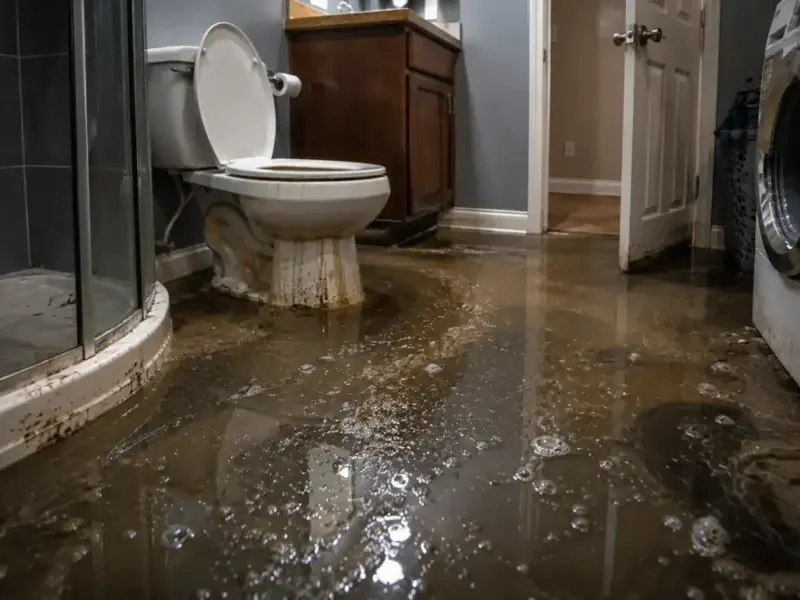
Sewage Backup Cleanup
Category 3 backups contained, porous materials removed and an EPA-registered antimicrobial applied.
How it is done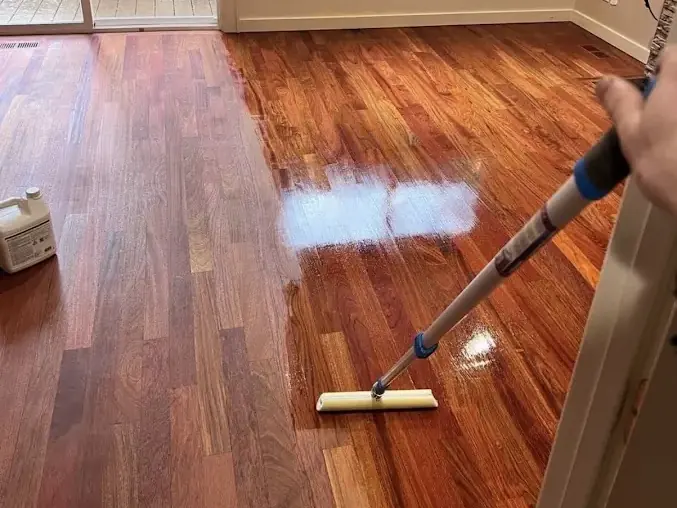
Water Extraction and Removal
Truck-mounted and portable extraction pulls standing water before it wicks up the walls.
How it is done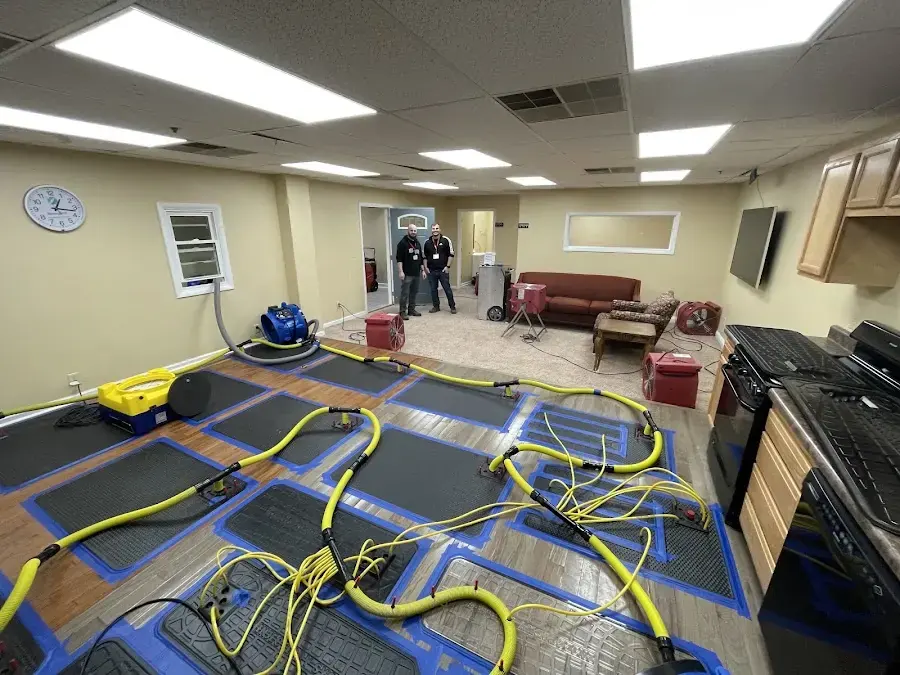
Structural Drying and Dehumidification
Framing, subfloor and drywall dried to within 2 to 4 points of a dry reference.
How it is done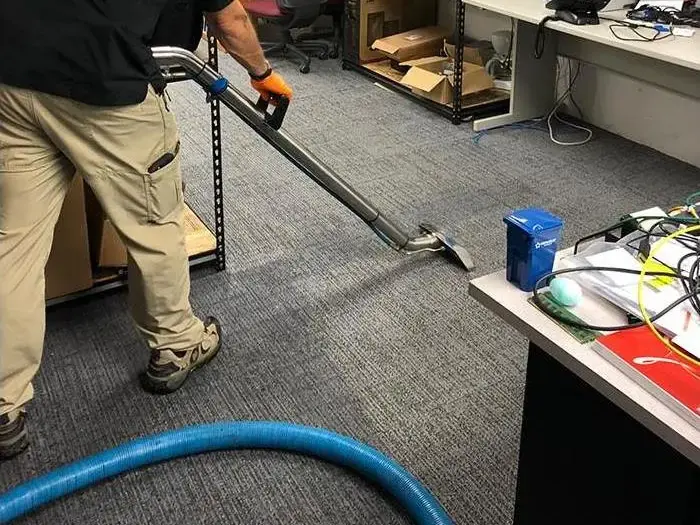
Commercial Water Damage
Shops, offices and multifamily buildings dried in phases so the doors can stay open.
How it is done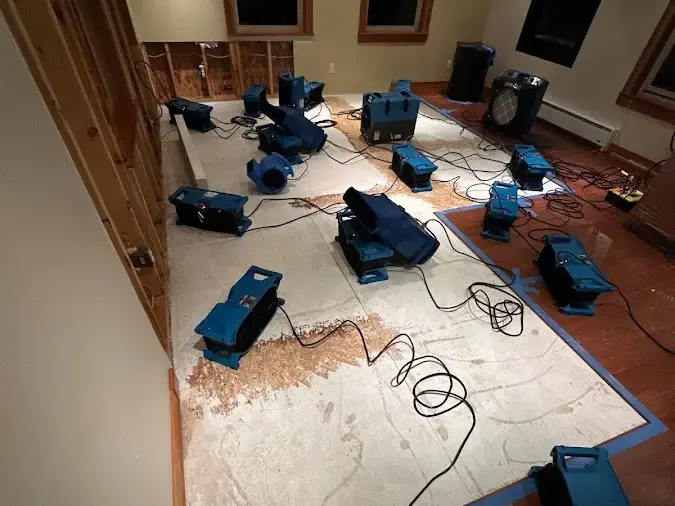
How a Lake Stevens water loss gets handled
Water in a Lake Stevens house rarely stays where it lands. It runs down into the crawl space, soaks the insulation under the floor and wicks up walls before anyone sees it. A restoration company in Lake Stevens that follows it there dries the whole loss, not just the visible part.
Rapid local response
Dispatch runs 24/7, and water still moving anywhere from North Cove to Cavalero Hill is treated as urgent.
IICRC S500 drying standard
Structural drying, not surface drying, with equipment sized to the class of loss in each room.
Claim-ready documentation
Moisture maps, daily psychrometric logs and timestamped photos taken before anything is torn out.
Local water know-how
Crawl space water, hard freezes, the lake rising in winter storms and slow wet-season drying are the usual work here.
What does water damage restoration cost in Lake Stevens, WA?
In Lake Stevens, WA, water damage restoration typically runs $1,200 to $12,500, depending on how far the water spread, whether it reached the crawl space and how fast drying started. Category 3 flood and sewage losses run higher, often $9,000 to $30,000.
Small clean water loss
$1,200 to $4,500
- One or two rooms
- Caught within a day
- Extraction and drying in place
Crawl space or multi-room loss
$4,500 to $12,500
- Pump-out and crawl space drying
- Wet insulation and barrier removed
- Several rooms or a whole floor
Category 3 flood or sewage
$9,000 to $30,000
- Porous materials removed
- Containment and antimicrobial
- Longer drying and more readings
These are typical ranges, not quotes. Category of water, square footage, material class and how soon drying began move the number most. The Lake Stevens water damage cost calculator gives a closer range for your own loss.
Water damage dried to the IICRC S500 standard
What separates a finished dry-out from a cosmetic one is order: measure, remove water, set drying, verify. Lake Stevens air stays damp through most of the wet season, so the drying plan leans on dehumidifiers, not open windows.
- 1
Inspect and map
The tech who does the walkthrough uses pinless meters and thermal imaging to find every wet wall, floor, ceiling and crawl space bay, then sets the category and class of the loss.
- 2
Extract
The extraction crew pulls standing water with truck-mounted or portable units. Water removed as liquid takes days off the drying time.
- 3
Dry the structure
Air movers and LGR dehumidifiers go in at the count the room's class calls for, with desiccants for soaked hardwood, subfloor and concrete.
- 4
Verify and record
The drying team takes readings every day against a dry reference, and equipment stays until the materials read dry, not until the room looks dry.
All water damage categories covered in Lake Stevens, WA
Clean water
Supply pipes, frozen pipe breaks and water heater tanks start as Category 1. Caught early, most of it dries in place with extraction and dehumidifiers.
Burst pipe water damageGray water
Washer, dishwasher and sink drain water is Category 2. It carries soap and food residue, so carpet pad usually comes out and surfaces get cleaned.
Appliance leak water damageBlack water
Sewage and outside flood water from the lake, a creek or the river are Category 3 from the start. Porous materials they touched get removed, never just dried.
Sewage backup cleanupDocumentation for your insurance claim
A water claim is decided on the file, not on the phone call. A complete Lake Stevens claim file holds five things the adjuster looks for.
- A moisture map of every wet wall, floor, ceiling and crawl space bay, taken before equipment goes down
- Daily psychrometric drying logs with readings against a dry reference
- Timestamped photos of the damage before any demolition
- The water category and class of loss, recorded at the start
- A line-item scope of the work in the format adjusters use
What a water damage dry-out looks like in Lake Stevens
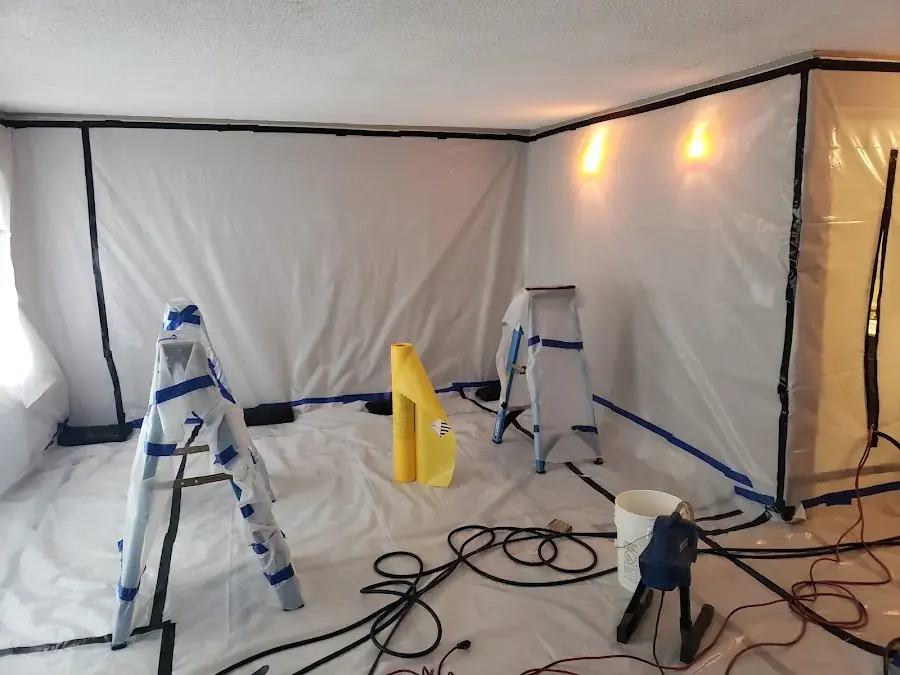
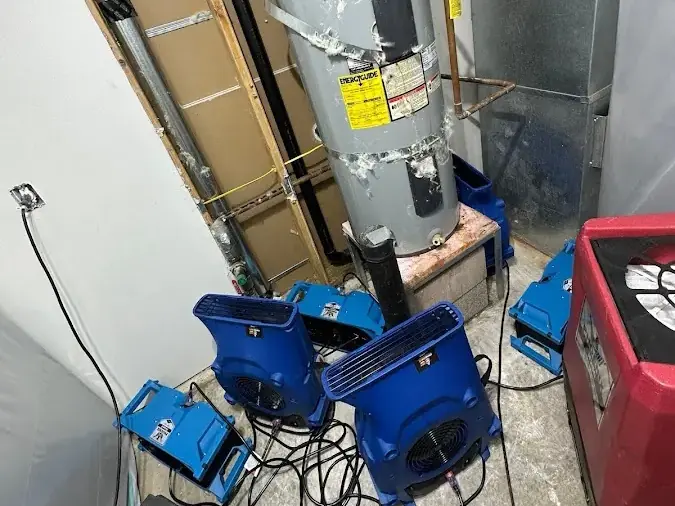
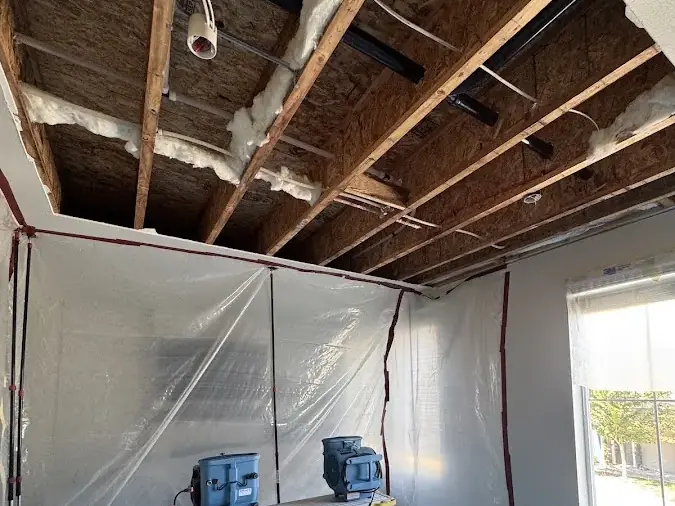
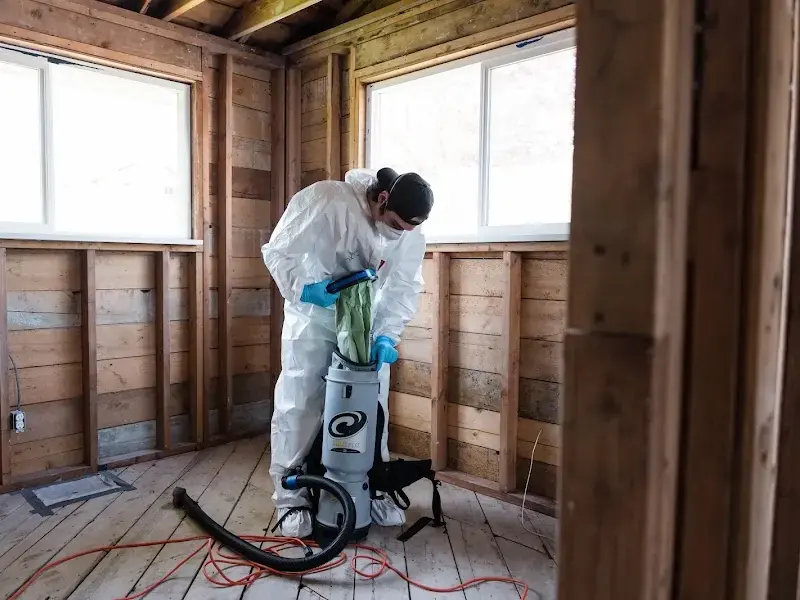
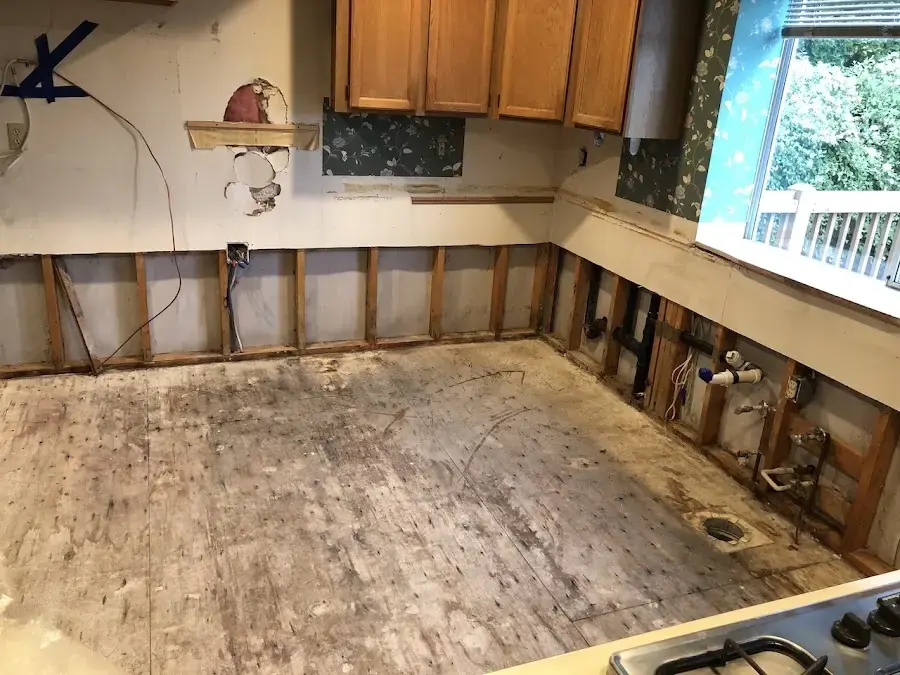
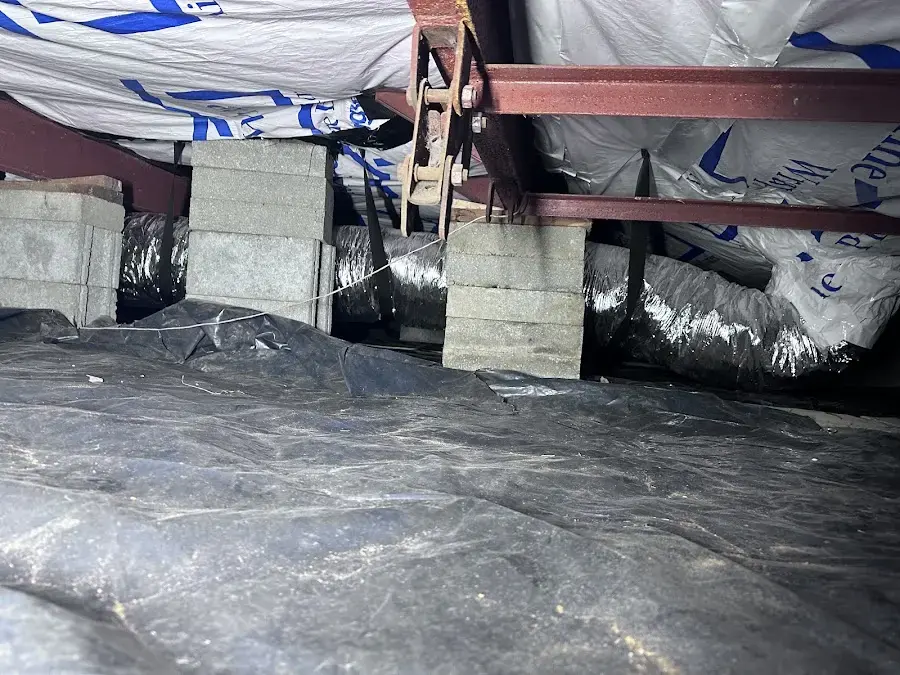
Water damage restoration all the way around the lake
Lake Stevens neighborhoods
ZIP codes
Nearby towns
Water damage in Lake Stevens, WA: the local risk profile
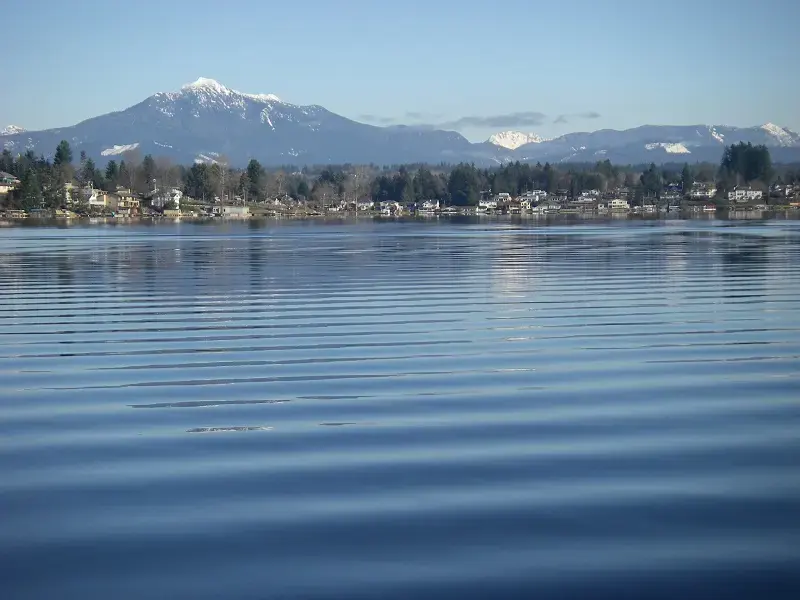
Lake Stevens sits on a glacial plateau around a lake of about 1,040 acres and gets about 39 inches of rain a year, most of it from fall through spring. A few patterns decide where water damage starts here.
- January 2009
The Pilchuck River crested at 20.39 feet near Snohomish, the highest crest on the gauge's record, with flooding along the river through the Lake Stevens area.
- February 2020
A winter storm pushed the lake level up sharply, and downtown residents petitioned the city over flooding that same year.
- November 15, 2021
Record rain sent the lake's outflow channel over Hartford Drive, weeks after the city dredged 300 feet of it.
- January 2024
A hard cold snap burst pipes across Snohomish County, and a downtown Everett shop flooded by a broken pipe closed for good.
Water under the house
Many homes here are built over vented crawl spaces, and shallow soil over hardpan keeps winter rain near the surface, so water gathers under the floor.
Frost from October into April
Frost can arrive any time from about early October into April. Pipes in crawl spaces, outside walls and garages freeze first.
A young but aging housing stock
The median home was built in 1997, and about two in three date from 1990 or later, so many original supply hoses, valves and fittings are reaching the age when they start to fail.
A lake with a narrow outlet
The lake drains through a small outflow channel toward Catherine Creek, and FEMA maps the 100-year flood area mostly along the lakefront and the creek.
Lake Stevens water damage questions, answered
Water in the house right now?
Shut off the source if it is safe, then call. The response team takes it from there, any hour.
(888) 509-1696Ask about the water in your houseHow fast does someone respond to water damage in Lake Stevens?
Calls to Lake Stevens Water Damage Restoration reach dispatch 24/7, and water still moving anywhere around the lake is treated as urgent. Timing depends on location and conditions, so call when you find the water rather than waiting for morning.
What should I do first when I find water?
Shut off the main valve, switch off power to wet rooms, photograph everything and lift valuables off the floor. Leave the drywall alone until the walkthrough maps what is wet.
Why does water end up in so many Lake Stevens crawl spaces?
Many homes here sit over vented crawl spaces, and shallow soil over hardpan holds winter rain near the surface. A supply leak or a frozen pipe adds more. See crawl space water removal.
Does homeowners insurance cover water damage in Lake Stevens?
Sudden and accidental water, such as a burst pipe or a failed water heater, is often covered. Water rising from the lake, a creek or the river is flood, which usually needs a separate flood policy. Coverage depends on your policy, so check with your own insurer.
Is flood water from the lake or a creek handled differently?
Yes. Outside flood water carries soil and bacteria, so it is Category 3 from the start, and carpet, pad and drywall it touched get removed. See flood water cleanup.
How long does drying take?
A contained Class 1 or 2 loss usually dries in three to five days. Hardwood, subfloor, crawl space framing and wet-season humidity stretch that, and drying ends on readings, not a date. The drying time estimator gives a typical window.
What is the IICRC S500?
It is the industry standard for professional water damage restoration: how to classify the water and the damage, how much equipment a room needs and how to verify materials are dry.
What is the difference between mitigation and repair?
Mitigation stops the damage: extraction, removing what cannot be saved and drying the structure. Repair rebuilds afterward with new drywall, flooring and paint, and it should only start once the structure reads dry.
When does drywall have to come out?
Drywall touched by Category 3 water comes out. With clean water, it often dries in place unless it has swollen, crumbled or trapped wet insulation behind it. Moisture readings decide, not appearance.
How is the cost of water damage restoration figured?
Four things drive it: the category of water, the square footage that got wet, the class of materials that soaked it up and how fast drying started. The cost calculator shows a typical range.
Water in a Lake Stevens home or business? Get the dry-out started.
Lake Stevens Water Damage Restoration: the restoration team extracts the water, dries the structure to the IICRC S500 standard and keeps daily moisture records for your insurance claim, around the clock.
(888) 509-1696Start Lake Stevens emergency water removal- Moving water handled as urgent, nights included
- Drying held to IICRC S500
- Moisture logs kept for your insurer